
 Send Inquiry
 08045803992
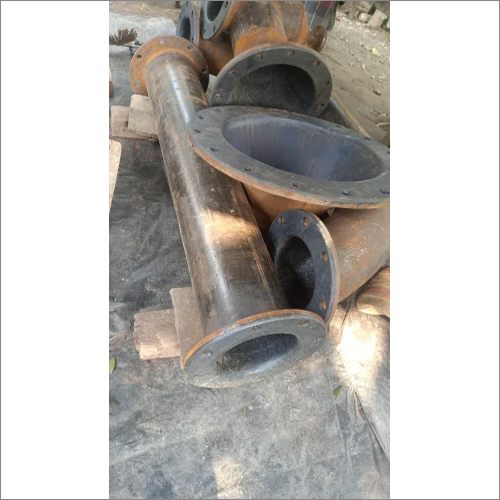
Pipe Laying
Product Details:
- Length Standard lengths 3m, 6m, 12m or as requested
- Resistance level High (against environmental and soil pressure)
- Temperature Resistance -10C to 70C (varies by material)
- Tolerance 2 mm
- Tensile Strength High, suitable for infrastructure projects
- Thermal Conductivity 0.4 0.5 W/(mK)
- Size Customizable based on requirement
- Click to View more
X
Pipe Laying Price And Quantity
- 10 Piece
Pipe Laying Product Specifications
- High, suitable for infrastructure projects
- 2 mm
- 0.4 0.5 W/(mK)
- No
- Customizable based on requirement
- HDPE / Ductile Iron / Steel / PVC (as required)
- Standard lengths 3m, 6m, 12m or as requested
- High (against environmental and soil pressure)
- -10C to 70C (varies by material)
- Corrosion resistant, leak proof, easy installation
- Generally black/grey
- Subject to pipe size and material
- Full laying assembly
- Standard utility pipe laying
- 1.0 Gram per cubic centimeter(g/cm3)
- Variable depending on pipe; generally 4 mm 12 mm
- Industrial grade, high durability
- Underground pipe laying, water supply, sewage, drainage systems
- EPDM / NBR (for gaskets only)
- <0.1%
- Pipe Laying Equipment
- Pipes, joints, gaskets, seals, alignment tools
- As required per project specification
- Smooth, anti-corrosive
- 100 mm 1600 mm (custom options available)
- Double-sealed gasket system
- Push-fit/Sleeve or welded, depending on pipe material
- Bevelled or plain ends, project specific
- IS 4984 / ISO 4427 / ASTM D3035 as applicable
- Laser-guided alignment (optional upgrade)
- 50+ years under normal operation
- Suitable for rocky, sandy, wet and clayey soils
- Third party inspection and certification
- Trenching and mechanical laying
- Designed for heavy vehicular load where required
- Mechanical lifting recommended for pipes >150 mm dia
- Anticorrosive external coating (for metallic pipes)
Pipe Laying Trade Information
- 7 Days
Product Description
In industrial and commercial applications, our Pipe Laying provides the best defense against corrosion, substance contamination, ignition, and explosion. It can be utilized for chemical and abrasive reasons. To avoid corrosion, outside surfaces or the inside of containers such as tanks, pipes, and other vessels that hold fluids are coated with rubber linings. To avoid corrosion, substance contamination, ignition, and explosion, Pipe Laying is utilized.
Versatile Installation for Demanding Environments
This pipe laying method is engineered to excel in rocky, sandy, wet, and clay-rich soils, ensuring consistent performance regardless of site-specific challenges. Each component-pipes, gaskets, seals, and alignment tools-delivers superior durability and environmental resistance, supporting critical infrastructure with minimal maintenance for over 50 years under standard conditions.
Latest Standards and Leak-Proof Reliability
Our systems are fully compliant with IS 4984, ISO 4427, and ASTM D3035, with every assembly double-checked by third-party inspection. The innovative double-sealed gasket system guarantees leak-proof operations, while anticorrosive coating on metallic pipes extends lifespan and protects against harsh soil chemistry. Mechanical and laser-guided alignment ensures accuracy and operational safety.
FAQ's of Pipe Laying:
Q: How are pipes installed using trenching and mechanical laying methods?
A: The installation process involves digging a trench to specified dimensions, followed by mechanical lifting and placement of pipes, particularly those with diameters above 150 mm. Pipes are then connected using either push-fit/sleeve joints or welding, based on the material. Laser-guided alignment tools may be used for optimal precision.Q: What joint systems are utilized and how do they prevent leakage?
A: Depending on the pipe material, either push-fit/sleeve joints or welded joints are used. A double-sealed gasket system, made of EPDM/NBR rubber, offers robust leakage prevention, ensuring watertight connections and high resistance to environmental and soil pressures.Q: When is a laser-guided alignment system recommended?
A: Laser-guided alignment is an optional upgrade best suited for projects requiring exceptional installation accuracy, such as long pipeline stretches or areas with heavy vehicular load. It minimizes human error and helps maintain consistent grade and alignment, especially in complex terrains.Q: Where can this pipe laying solution be applied?
A: This system is ideal for underground utility projects such as water supply, sewage, and drainage pipelines. Its adaptability to a wide range of soils makes it suitable for urban, industrial, and infrastructure developments across India.Q: What are the key benefits of this pipe laying method?
A: Benefits include a lifespan of over 50 years, high resistance to corrosion and environmental stress, leak-proof performance, compliance with international standards, and straightforward installation. Customizable sizing, anticorrosive coatings, and quality certification ensure reliability for demanding infrastructure needs.Q: How does the system ensure suitability for different environments and load conditions?
A: Pipes are available in varied thicknesses and are engineered for high load-bearing, making them capable of withstanding vehicle traffic when required. The materials and coatings provide resistance in rocky, wet, sandy, or clayey soils. Custom specifications guarantee project compatibility.Tell us about your requirement

Price:
Quantity
Select Unit
- 50
- 100
- 200
- 250
- 500
- 1000+
Additional detail
Mobile number
Email

Other Products in 'Pipe Rubbber Lailing' category
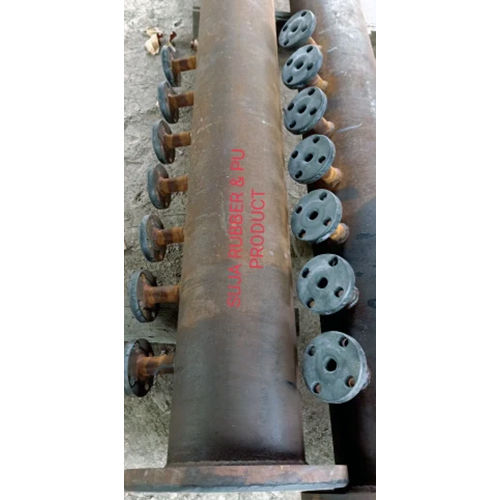

SUJA RUBBER & P U PRODUCT
GST : 19ANYPA5567H1ZD
GST : 19ANYPA5567H1ZD
Contact Details

- Vill Ghosalchak, P.O. Belkulai, Dist,Howrah - 711322, West Bengal, India
- Phone :08045803992

- Mr. Sk (Proprietor)
- Mobile :08045803992
- sujarubber@gmail.com

 Send Inquiry
 Send SMS
SUJA RUBBER & P U PRODUCT
All Rights Reserved.(Terms of Use)
Developed and Managed by Infocom Network Private Limited.
Developed and Managed by Infocom Network Private Limited.

